








Resilient Design for Climate Risk: Flood, Heat & Storm-Ready Residential Strategies
For decades, Indian residential development followed a standard template: maximise floor area, apply a contemporary façade, and rely on mechanical systems for comfort. However, the climate reality of 2026 has rendered this "static" design approach obsolete. From the unprecedented urban flooding in Chennai and Bengaluru to the record-breaking heat domes over North India, climate risk has transitioned from a future projection to an immediate architectural challenge.
Designing for resilience is no longer an exercise in corporate social responsibility; it is a fundamental requirement for asset protection and habitability. As the Intergovernmental Panel on Climate Change (IPCC) Sixth Assessment Report highlights, the Indian subcontinent is uniquely vulnerable to "compounding" climate extremes. For developers, this shift necessitates a move away from reactive fixes toward integrated, climate-ready design that protects both the building’s structural integrity and the residents’ quality of life..
1. India’s Climate Reality: What Residential Projects Are Up Against
The Indian subcontinent is witnessing a profound shift in its meteorological baseline. According to the Intergovernmental Panel on Climate Change (IPCC) AR6 report, India faces some of the highest projected increases in heat stress and extreme precipitation globally.
The Urban Heat Island (UHI) Effect
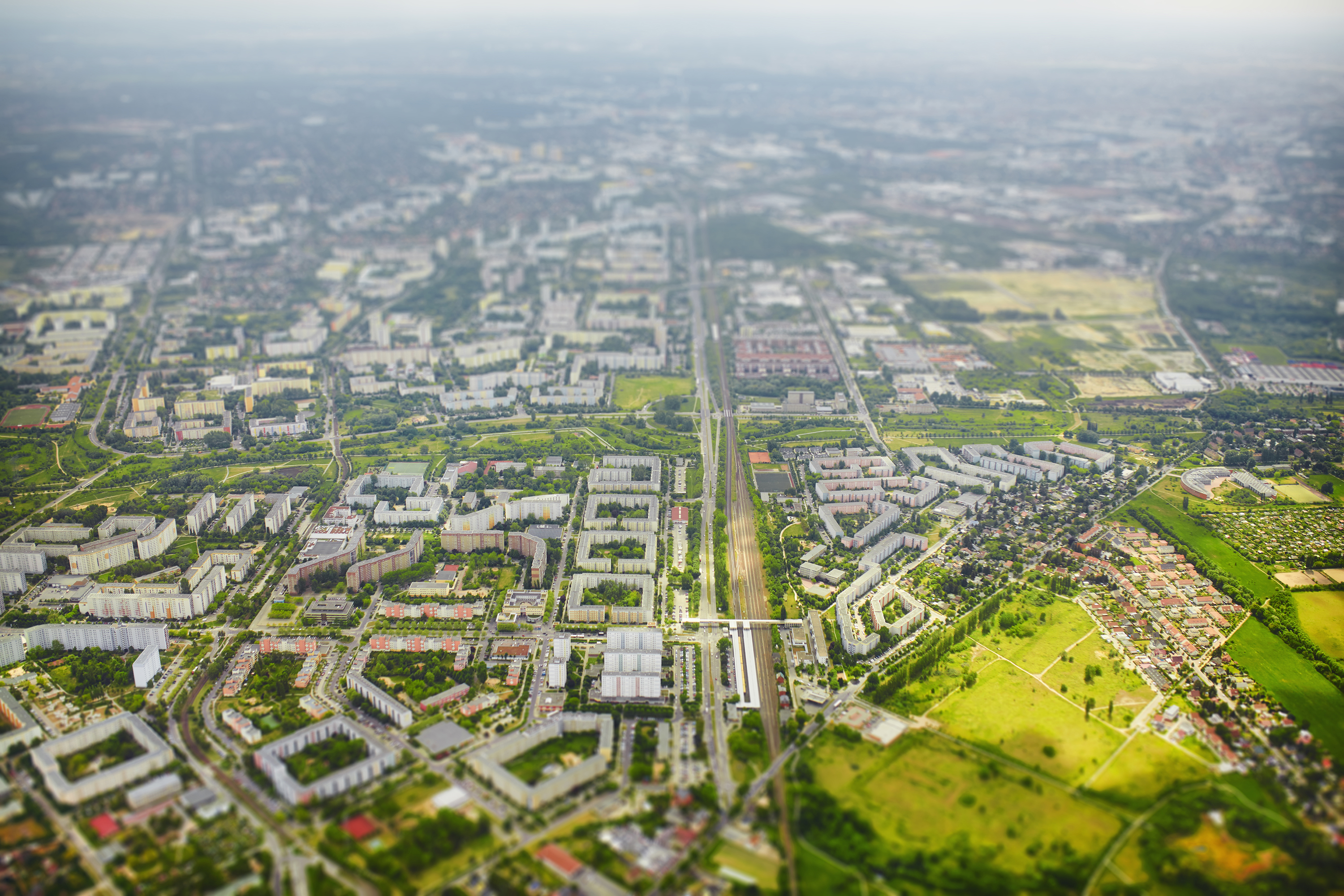
In cities like Delhi, Mumbai, and Hyderabad, the concentration of concrete and the loss of green cover have created "heat islands." Data from the India Meteorological Department (IMD) shows that during peak summer, urban ambient temperatures can remain 4°C to 7°C higher than the surrounding outskirts, even during the night. This puts an immense strain on building cooling systems and public health.
Monsoon Intensification
The National Disaster Management Authority (NDMA) has noted a trend where the total seasonal rainfall remains constant, but it is delivered in shorter, more violent bursts. This "monsoon intensification" overwhelms traditional municipal drainage systems, which were often designed for lower historical rainfall intensities, thresholds that are increasingly exceeded during contemporary storm events.
2. Site Planning & Master Planning: The First Line of Defence
Resilience is not something that can be "bolted on" to a building after it is designed; it must be baked into the master plan. Many of the most catastrophic residential failures in recent years—such as submerged basements in premium complexes—are the result of ignoring the site's natural hydrology.
Respecting the Hydrology
A resilient site plan begins with a topographical survey that maps natural drainage paths and historical water-logging zones. Developers must resist the urge to "flatten and fill." Instead, the layout should preserve natural swales. Buildings should be positioned on the highest elevations of the site, while lower-lying areas should be reserved for "sacrificial" uses like parks or detention ponds that can safely flood without damaging property.
The Science of Plinth and Gradient
One of the most effective, yet often overlooked, strategies is the elevation of the plinth level. Following NDMA guidelines, the ground floor of residential towers should be significantly higher than the 100-year High Flood Level (HFL) of the surrounding area. Furthermore, internal road gradients must be designed as "overland flow paths," ensuring that during an extreme downpour, water is directed away from building entries and basement ramps.
3. Designing for Heat Resilience: Passive Cooling Over Mechanical Dependence
As temperatures soar, the instinct is to install larger air-conditioning units. However, this creates a "feedback loop"—ACs dump heat into the surroundings, further warming the microclimate. Resilient design focuses on passive cooling to reduce the "heat load" before mechanical cooling is even turned on.
Orientation and Shading
Orientation is the most cost-effective cooling tool. By aligning buildings to minimise eastern and western sun exposure, solar gain can be drastically reduced. Architects are increasingly returning to traditional elements like jaalis (lattice screens), deep chajjas (overhangs), and vertical fins. These elements stop the sun's rays from hitting the glass, which is far more effective than using curtains once the heat is already inside.
Thermal Mass and Insulation
In the hot and arid regions of India, the choice of walling material is critical. Using high thermal mass materials like Autoclaved Aerated Concrete (AAC) blocks or insulated cavity walls helps "time-lag" the heat transfer, keeping interiors cooler during the day. For the roof—the most exposed part of any building—the use of high-albedo "cool roof" coatings and rigid board insulation is now a standard requirement for climate-ready housing.
4. Flood-Resilient Residential Design: Managing Water, Not Fighting It
In an era of extreme rainfall, the goal of a residential complex should be to act as a "sponge." When a site is 100% paved, every drop of rain becomes runoff, leading to flash floods.
The Transition to Permeable Surfaces
Resilient projects are moving away from asphalt and solid concrete for internal roads and walkways. By using permeable pavers or grass-grid systems, developers allow a significant portion of rainwater to infiltrate back into the soil. This not only reduces the load on storm drains but also recharges the local water table—a vital secondary benefit in water-stressed Indian cities.
Integrated Stormwater Systems
Traditional drainage often mixes sewage and stormwater, leading to health hazards during floods. A resilient project employs segregated systems. Beyond pipes, landscape features like bioswales (vegetated ditches) and detention ponds act as temporary holding tanks. According to research by IIT Madras, integrated nature-based solutions can manage peak runoff more effectively than purely mechanical pump systems.
Basement Vulnerability
Basements are the Achilles' heel of modern Indian apartments. Resilience here means redundant protection: high-capacity submersible pumps with independent power backups, flood barriers at ramp entrances, and the relocation of all critical electrical infrastructure (transformers and panels) from the basement to the ground floor or a raised mezzanine level.
5. Materials & Construction Choices That Improve Resilience
Climate stress accelerates the degradation of building materials. High humidity leads to mould, while extreme heat causes materials to expand and crack.
Façade Durability: Traditional plaster and paint often fail under intense monsoons. Developers are pivoting to high-performance exterior grade laminates (HPL) or ventilated façade systems. These allow a layer of air to circulate behind the cladding, providing both insulation and moisture control.
Water-Resistant Finishes: Inside the building, particularly in common areas and lower levels, the use of water-resistant materials like vitrified tiles or stone, rather than wood or gypsum, ensures that the building can "dry out" quickly after a flood event without requiring a total renovation.
Corrosion Resistance: In coastal cities, the salt-laden air corrodes the steel reinforcement within concrete. Using Fusion Bonded Epoxy Coated (FBEC) rebars and increasing the "concrete cover" (the thickness of concrete protecting the steel) are essential to prevent structural weakening over time.
6. Landscape Design as Climate Infrastructure
Landscaping is no longer just "the green stuff between buildings." In a resilient project, the landscape is a functional system designed to moderate the microclimate and manage resources.
Tree Canopies and Microclimates
Strategic planting of native, broad-leaf trees can reduce the surface temperature of paved areas by up to 10°C through shading and evapotranspiration. The Energy and Resources Institute (TERI) notes that a well-designed green buffer can reduce a building's cooling load by 15-20%.
Native vs. Exotic Species
Resilient landscaping prioritises native Indian species (like Neem, Peepal, or Amaltas) over exotic palms. Native plants are adapted to the local rainfall cycle and are more likely to survive both drought and temporary waterlogging, requiring less chemical fertiliser and water.
7. Storm & Extreme Weather Preparedness
While heat and floods are the primary concerns, extreme wind and storms also pose a threat, particularly for high-rise residential towers.
Wind Load Considerations: As towers get taller, wind pressure increases exponentially. Structural engineers must account for higher wind speeds during the design phase, particularly for balconies and glass railings, to ensure they don't become projectiles during a storm.
Power Redundancy: A building without power is uninhabitable during a heatwave. Resilience means having redundant power systems—not just for lights, but for elevators and water pumps. Solar-battery hybrids for common areas are increasingly common, ensuring that even if the grid fails during a storm, the building’s life-safety systems remain active.
8. Why Climate-Resilient Design Protects Long-Term Asset Value
Some argue that climate resilience is an "extra cost." However, a developer-grade analysis shows it is a risk mitigation strategy that protects the bottom line.
Reduced Maintenance Costs: Buildings designed to shed water and resist heat require fewer repairs over a 20-year cycle.
Insurance and Financing: Institutional lenders and insurance companies are beginning to factor climate risk into their premiums. A certified resilient project will likely attract better financing rates and lower insurance costs as SEBI’s BRSR (Business Responsibility and Sustainability Reporting) norms become more stringent.
Buyer Confidence: In a post-flood market, the "brand" of a developer is determined by how their projects handled the last big storm. A building that remains dry and functional during a crisis becomes the most sought-after asset in the secondary market.
9. Conclusion: Building for the Climate India Actually Has
The era of designing for a "standard" environment is over. Every residential project in India must now be viewed through the lens of climate realism. We are no longer building for the climate of the past, but for the volatile reality of the next fifty years.
Resilience is not about fighting nature; it is about working with it. It is the move from "static" architecture to "adaptive" design. For the developer, it represents the ultimate commitment to quality. For the homeowner, it represents the most important feature of all: peace of mind. As the sky changes, our buildings must change with it, ensuring that the Indian home remains a sanctuary, regardless of what happens outside the gates.