







The Evolution of Real Estate: From Housing to Lifestyle Infrastructure
For generations, the acquisition of residential real estate was treated as a utility transaction. Homebuyers evaluated properties through a narrow, property-centric lens: a checklist dominated by location, area, and internal specifications. The home was an isolated asset—four walls designed to provide shelter, situated within a fragmented urban grid.
However, step outside a traditional standalone apartment block in any rapidly growing Indian micro-market today, and the limitations of this legacy model become immediately apparent. Residents are regularly forced to step directly from their private spaces into systemic urban friction—traffic-choked secondary roads, unreliable basic utilities, a lack of accessible green spaces, and a fragmented social fabric.
This growing contrast has triggered an important shift in the property sector. Real estate is no longer only about constructing homes; it is increasingly about designing complete environments that support how people live, work, move, interact, recover, and grow.
Modern homebuyers are looking beyond the physical product of a house. Instead, they are evaluating entire living ecosystems, assessing how a property manages infrastructure reliability, mobility, social connection, and daily wellness. As urban complexity accelerates, the industry is transitioning from basic residential construction toward the creation of complete lifestyle infrastructure.
1. Why Urban Living Needs More Than Just Homes
The accelerating vertical density of India's major economic hubs has pushed traditional, standalone housing formats to their operational limits. As metropolitan areas expand, municipal systems frequently struggle to keep pace with private construction. The resulting infrastructure stress directly affects residents' daily lives, manifesting as chronic traffic congestion, uncoordinated waste management, variable power quality, and a noticeable decline in local air quality.
This friction creates a distinct form of lifestyle fatigue. The modern professional navigates an intense work culture, often compounded by long commutes. When their residential environment fails to offer a space for decompression, baseline stress increases.
A standalone building or isolated high-rise cluster cannot resolve these structural issues; it remains vulnerable to the deficiencies of the surrounding urban grid. This dynamic explains why property choices are becoming fundamentally multi-disciplinary.
Homebuyers recognise that buying an apartment in an uncoordinated neighbourhood simply brings urban stress to their doorstep. The demand has shifted toward master-planned environments that can isolate residents from external chaos while providing complete operational reliability inside.
2. Defining Lifestyle Infrastructure

The term "lifestyle infrastructure" represents a shift away from viewing real estate as merely a collection of indoor spaces. It defines a property by its complete functional environment. This matrix integrates essential lifestyle elements directly into the master plan of a community:
When a real estate developer adopts this approach, the layout changes. Green spaces are no longer just decorative landscaping added to fill setback areas; they are planned as large, continuous linear parks that improve local air quality and encourage daily outdoor movement.
Pedestrian paths are deliberately separated from vehicular roads to ensure quiet and safety throughout the neighbourhood. This level of planning turns everyday actions—like walking to a local market or exercising in the morning—from a chore into an easy, natural part of the daily routine.
3. The Shift from Ownership to Experience
This evolution is closely tied to a deeper behavioural shift across premium real estate markets. The modern luxury buyer, particularly within the mid-to-high segment, is reallocating capital away from purely asset-driven ownership toward experiential living.
According to data from the ANAROCK Consumer Sentiment Survey, over 50% of surveyed buyers now prioritise lifestyle upgrades and spacious, community-focused environments over simple urban proximity.
This trend indicates that buyers are seeking predictability and emotional well-being. They want to know that their natural light will not be blocked by a future high-rise next door, that their children have access to secure play spaces, and that basic utility failures will not disrupt their daily routines.
As a result, the premium sector is moving away from superficial luxury finishes. The long-term preservation of space, environmental quality, and structural peace of mind is redefining true luxury.
4. Wellness and Environmental Planning as Core Infrastructure
The built environment directly shapes human health. Guidelines from the World Health Organisation (WHO) on urban health emphasise that accessible green spaces, low ambient noise levels, and walkable layouts are vital for reducing cardiovascular stress and supporting mental recovery. Consequently, wellness planning is transitioning from an optional amenity into a critical element of modern infrastructure design.

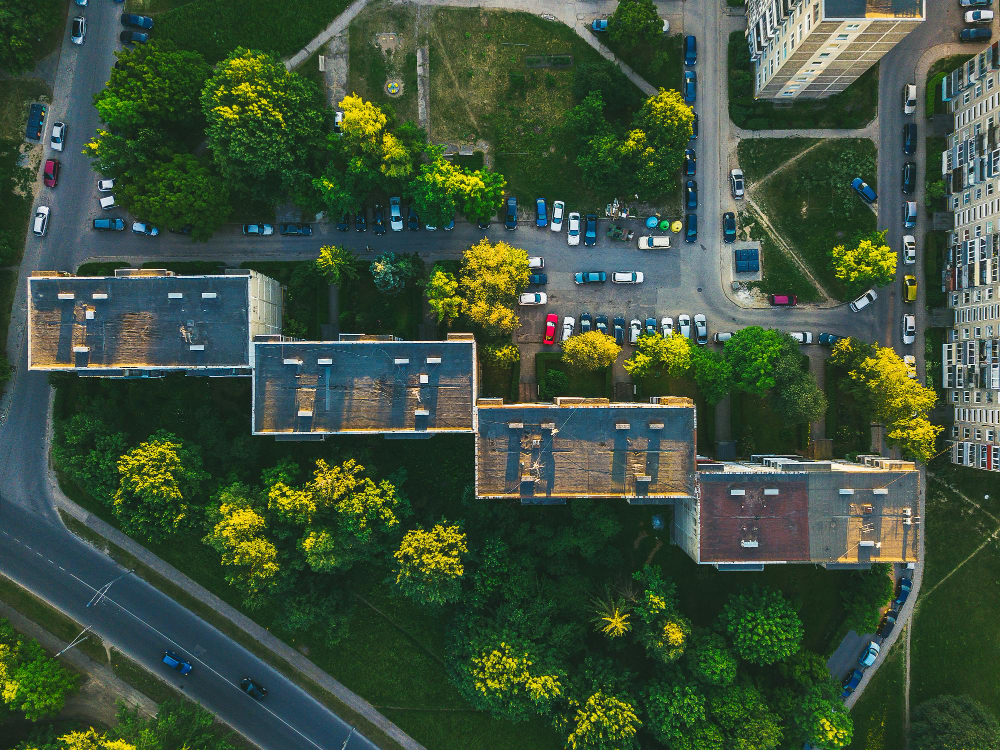
In many master-planned communities, maintaining balanced development density allows for larger allocations of open space, walking trails, and ecological zones. Placing deep green buffers along the perimeter helps filter out urban air and noise pollution, creating a calmer internal microclimate. When walkability is prioritised through continuous, car-free pathways, residents naturally incorporate movement into their daily lives, reducing the sedentary habits often caused by dense city grids.
5. Social Infrastructure and Community Design
The physical layout of a neighbourhood largely dictates the social health of its residents. High-density urban developments often create an insular lifestyle, in which residents live in close physical proximity yet remain socially isolated. This lack of interaction can increase feelings of urban loneliness, particularly for families and senior citizens.
Ecosystem-driven planning addresses this challenge by designing shared spaces that encourage spontaneous, natural interaction. Central greens, shared creative spaces, open-air performance areas, and multi-generational clubhouses serve as social anchors.
When a community is designed to bring people together naturally, it builds a supportive network. This shared social fabric significantly enhances a neighbourhood's long-term appeal, transforming a residential project into a stable, collaborative village.
6. Technology and Infrastructure Reliability
The true measure of a modern township lies in how effectively it insulates residents from the typical friction of urban living. A premium ecosystem requires a deliberate shift from basic utility provision to advanced infrastructure management—ensuring that water security, power consistency, and community safety are built to institutional standards.
Rather than relying on piecemeal solutions, next-generation developments integrate these core utilities into a singular, professionally managed framework. This high level of structural reliability ensures that the physical environment supports, rather than disrupts, the resident's daily routine. By securing these fundamentals, the neighbourhood creates a stable baseline for long-term well-being and sustained asset value.
7. The Indian Urban Context
These shifting housing priorities are creating new avenues for property investment in Delhi NCR and adjacent regional micro-markets. Historically, the premium demographic focused its search almost exclusively on dense metropolitan cores. However, rising lifestyle fatigue and the flexibility of hybrid work models have led buyers to reconsider their long-term options.

This trend has driven significant interest toward well-planned regional areas that offer a combination of natural landscapes and modern infrastructure. Discerning buyers are evaluating residential projects in Panchkula and the broader tri-city area, seeking environments that offer clean air, low-density living, and modern conveniences without the overcrowding of traditional megacities.
8. Why Integrated Townships Are Emerging as the Ultimate Solution
Traditional real estate models cannot influence or upgrade the public infrastructure surrounding them. Integrated townships solve this structural limitation by building self-sustaining ecosystems that insulate residents from external urban friction.
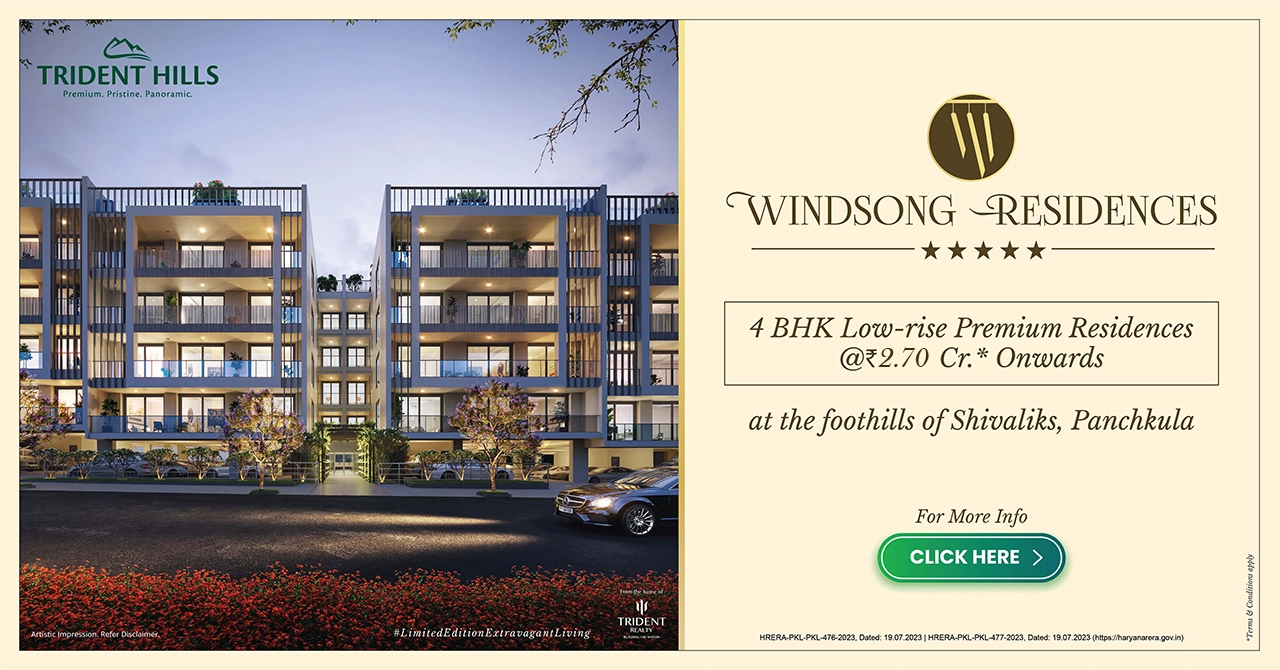
This macro-planning defines Trident Hills Panchkula by Trident Realty. Rather than imposing dense high-rises on the landscape, the development emphasizes horizontal, low-density planning via independent plots and low-rise floors. This design ensures that modern homebuyers—whether looking for a premium plot or a 3 BHK in Panchkula—gain both structural privacy and access to vast green spaces.
By embedding essential services directly into the master plan, including healthcare, early education, and expansive recreational spaces, the project illustrates how modern real estate builders in Chandigarh are pivoting. The focus is no longer just on delivering spaces to live, but on constructing resilient lifestyle infrastructure.
9. The Economic Value of Lifestyle Infrastructure
From an investment perspective, developments that prioritise lifestyle infrastructure show strong resilience and steady capital growth. Because these master-planned environments protect their open spaces, manage their own utilities, and maintain their surroundings professionally, they retain their appeal over the long term.
A market analysis by major advisory firms like Knight Frank confirms that integrated, low-density townships command a distinct premium in secondary markets. Buyers show a clear preference for properties that guarantee a high quality of life, stable infrastructure, and a secure community. This consistent demand ensures steady asset appreciation, making ecosystem-driven developments an excellent choice for long-term real estate stability.
10. Why Developers Are Becoming Urban Planners
This shift has fundamentally redefined the responsibilities of a real estate developer. The modern market requires developers to look beyond individual building designs and act as urban planners, managing larger systems like mobility, environmental balance, utility networks, and local governance.
This transition marks a mature evolution for the property industry. When a developer embraces multi-disciplinary design, they stop simply adding concrete to a city and start building resilient, future-ready habitats. This comprehensive approach is reshaping the future of Indian housing, ensuring that communities are built to support human health, connection, and well-being for generations to come.
Conclusion
The transformation of the real estate sector underscores a clear truth: our living environments profoundly affect our quality of life. The challenges of modern city living have shown that a home must provide more than physical space or financial return; it must serve as a restorative foundation for daily life.
As we look toward the future of residential design, the value of a property will no longer be measured solely by the space within its walls. The ultimate standard of premium living will belong to communities that sit in harmony with nature—offering stable infrastructure, deep social connections, and the enduring comfort of a complete lifestyle ecosystem. The future of real estate will not be defined only by the homes developers build—but by the ecosystems they create around them.