









Why Silence Is Becoming a Luxury in Modern Real Estate
1. The Soundtrack of Urban Exhaustion
Modern cities rarely go silent anymore. From the relentless hum of bumper-to-bumper traffic and constant honking to the loud drone of commercial backup generators and the non-stop buzz of mobile notifications, city life has become an exhausting stream of noise. As major cities expand, this endless sound is changing how we experience our own homes.
In this noisy environment, we are seeing a major change in what buyers consider a premium home. Peace is getting harder to find. In economics, when something becomes rare, its value shoots up. Today, silence is no longer just the passive absence of noise; it is a carefully planned feature. It is a new standard of comfort that is changing how a forward-focused real estate developer designs premium neighbourhoods. For families looking at top-tier luxury homes in India, true luxury is no longer about showing off wealth—it is about finding a place that completely blocks out the chaotic outside world.
2. Noise Pollution Is More Serious Than We Admit
The true cost of city noise goes far beyond mere annoyance; it is a real danger to public health that requires better design solutions. The World Health Organisation (WHO) explains that continuous environmental noise is a serious health hazard. They directly link long-term noise exposure to elevated stress hormones, high blood pressure, heart issues, and poor mental focus.
In India, this problem is growing rapidly. Regular tracking by the Central Pollution Control Board (CPCB) shows that noise levels in major city neighbourhoods regularly cross safe limits, both during the day and at night. When a home cannot block out these sounds, it stops feeling like a safe space. Constant noise breaks our sleep patterns and prevents our bodies from truly resting. This makes it clear that acoustic comfort is not just a fancy extra feature—it is a basic health requirement for families choosing the best housing society in Panchkula or any major urban hub.
3. The Psychology of Overstimulated Living
To understand why peace now command a premium price, we have to look at how constant noise affects the human brain. City residents live with a lot of mental fatigue. Famous studies from Harvard University show that living in crowded, noisy environments keeps our stress levels high, leading to quicker mental burnout and lower emotional energy.
The brain needs quiet spaces to rest, process daily information, and recover from work stress. Without these calm areas, the mind stays on high alert. When choosing the best societies in Panchkula or other major residential areas, today’s buyers look beyond simple floor plans. They want to know if the neighbourhood will help them relax. A premium residential project must serve as a buffer against city chaos, providing residents with a peaceful space to unwind and protect their long-term mental well-being truly.
4. Luxury Is Shifting from Display to Experience
We are seeing a massive shift in what premium buyers want: they are moving away from flashy design toward actual living experiences. In the past, Indian real estate defined luxury by visible status symbols—massive clubhouses, tallest residential towers, and imported marble finishes. It was all about visual display and showing off status to the outside world.
However, wealth reports from global experts such as Knight Frank reveal that high-net-worth individuals (HNIs) are shifting their priorities. True luxury is now defined by things you cannot see. It is about total privacy, vast open spaces, excellent sound insulation, and peace of mind.
Discriminating buyers looking for luxury flats in Panchkula care more about how a home makes them feel rather than just how it looks. An expensive, shiny lobby loses its value if you can hear traffic noise inside your apartment. Real comfort is replacing showy design, making low-density premium societies the top choice for modern living.
5. How Real Estate Design Creates Silence
In noisy cities, a peaceful environment does not happen by accident; it must be built into the project from day one. An experienced real estate developer knows that acoustic comfort comes from smart master planning, not from quick fixes added at the end.
Key Ways Design Creates Quiet Living
Smart Building Setbacks: Placing residential buildings far back from busy main roads to weaken sound waves before they ever reach the apartments.
Outer Road Systems: Planning internal roads so that cars and delivery vehicles stay on the property's outer edges, keeping the inner residential areas safe and quiet for walkers.
Separating Active Zones: Placing noisy community areas—like sports courts, kids' play areas, and shopping spots—far away from the actual living blocks.
With these careful steps, quietness becomes a reliable feature of the architecture. Good master planning ensures that your home acts as a solid shield against the noise of the outside world, creating a true sanctuary.
6. Low-Density Planning and Acoustic Comfort
The best way to ensure long-term peace is through low-density planning. High-density projects naturally create more noise because they have more cars, more foot traffic, busier lifts, and crowded common areas. When thousands of people live in a small space, noise is unavoidable.
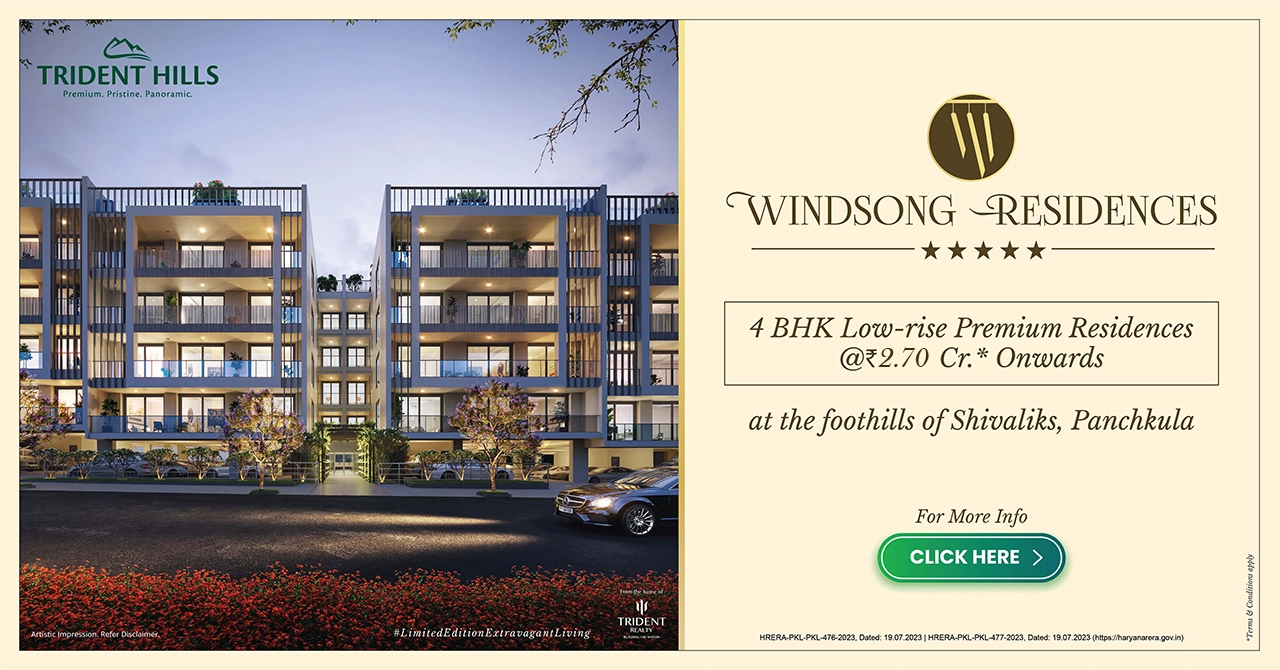
On the other hand, low-density planning stops noise at the source. By limiting the number of families living on each acre, master-planned townships like Trident Hills Panchkula automatically reduce internal traffic and daily noise. This building style also gives the entire project more breathing room. Buildings are not crowded close together, which prevents sound from bouncing off concrete walls and getting louder. Low-density living perfectly combines open space with sensory relief, giving residents a break from the usual city crowding.
7. Landscape as Acoustic Infrastructure
For a long time, landscaping in Indian real estate was seen as just a way to make a property look pretty. But when designing for quiet luxury, green spaces are actually used as smart sound barriers.
Multi-layered planting, featuring a mix of green lawns, thick bushes, and tall trees, works as a highly effective natural sound absorber. These green zones dampen the high-frequency noise common in cities, such as honking and engine sounds. Wide green belts create an important physical buffer between busy public areas and private homes, filtering out both air pollution and unwanted sound. By using clever planting and local trees, a progressive developer can improve the area's sound quality, turning a standard piece of land into a peaceful retreat.
8. Why Families and Professionals Value Quiet Living
The changing lifestyles of modern professionals and health-conscious families drive the high demand for quiet homes. With hybrid work and work-from-home models becoming a permanent part of life, the noise issues of standard city flats have become obvious. When your home is also your office, background noise can lead to poor focus, reduced productivity, and increased work fatigue.
For parents, exploring the local real estate market in Panchkula offers a chance to protect their family's health and well-being. A quiet home helps children focus better on their studies and ensures everyone gets deep, refreshing sleep. After a long day in a loud, chaotic city, professionals need a place where they can switch off mentally. A quiet environment makes this transition easy, helping families connect and talk without competing with outside noise.
9. The Economics of Quiet Luxury
Quietness is rapidly becoming a significant economic driver in real estate. As global consultants like JLL have noted, features that prioritize wellness—such as superior air quality and acoustic comfort—are now primary factors influencing property values. For premium investors, developments that ensure a quiet lifestyle are increasingly seen as high-value assets. This isn't a temporary trend; it represents a fundamental shift in the market. In an increasingly noisy urban landscape, homes that offer genuine peace provide a distinct competitive edge. Today’s buyers are willing to pay a premium for guaranteed silence, moving acoustic comfort from a niche design element to a key financial asset that enhances long-term rental and resale returns.
10. Indian Cities and the Coming Sensory Crisis
Understanding this shift within the Indian market is essential for anyone looking to buy a home. Indian cities are heading toward a major noise and crowding crisis. We are seeing rapid population growth, non-stop infrastructure construction, and a massive push toward crowded high-rise living.
Average noise levels in commercial and residential areas are rising every year. As this growth continues, the need for quiet, protected homes will skyrocket. Smart buyers are now looking closely at well-planned micro-markets like the tri-city region, viewing residential projects in Panchkula as a great escape from overcrowded metro cities. They want a home that keeps them safe from sensory overload while still letting them benefit from India's economic growth.
11. The Future of Premium Living
As we look ahead, the rules for high-end real estate have permanently changed. The future of premium living will not be about outward show. Instead, it will focus on our health, daily habits, and senses. True luxury will be measured by clean indoor air, plenty of natural light, and a perfectly quiet indoor environment.
Any real estate builders in Chandigarh or surrounding markets who ignore these wellness needs will find their projects falling behind. The best luxury real estate will be created by those who understand that, in a loud, hyper-connected world, the ultimate privilege is the ability to control your own environment. Brands like Trident Realty are leading this movement, ensuring their townships are built on foundations of open space, privacy, and peace of mind.
12. The Most Valuable Space May Be the Quietest One
As our cities grow, our idea of what a home should be must grow too. The fast, stressful pace of modern city life means we need homes that offer true physical and mental rest. In the future, the real mark of luxury will not be how tall a building is, but how well it lets you close the door and leave the city's chaos behind.
By making silence a core part of the design, low-density townships like Trident Hills Panchkula are raising the bar for modern real estate. For the next generation of homebuyers, the most valuable part of a home in our busy world will undoubtedly be the quietest one.