








The Hidden Cost of Poor Urban Planning on Everyday Life
Most people believe stress begins at work. In reality, it often begins much earlier.
It starts on the driveway, the traffic signal that fails to clear after three light cycles, the flooded arterial road after twenty minutes of rain, the endless search for parking, or the extra forty minutes spent dropping a child at school. By the time many urban residents arrive at their desks, the day's first wave of physiological and mental stress has already taken its toll.
It is easy to blame these everyday frustrations on personal bad luck, overpopulation, or poor time management. However, urban planning experts view them through a very different lens. These micro-aggressions are not personal failures; they are the predictable outcomes of fragmented, uncoordinated urban design.
Poor urban planning is far more than a spatial or logistical inconvenience. It is a silent quality-of-life tax—one that erodes human health, drains economic productivity, strains family relationships, and depresses the long-term liveability of entire cities.
1. Everyday Stress is a Product of Spatial Design
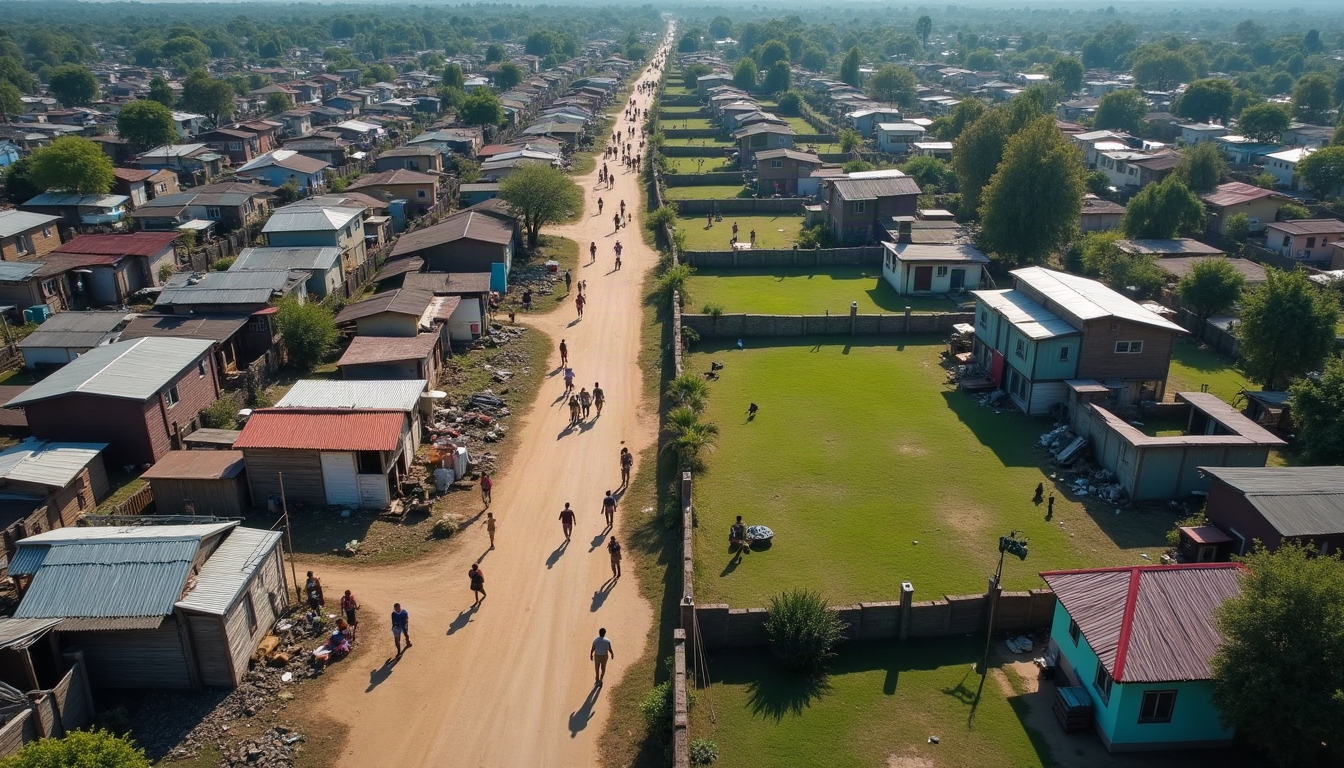
For decades, rapid urbanisation across India has outpaced integrated master planning. Cities have frequently expanded through reactive development: residential clusters emerge wherever land is acquired, followed years later by makeshift road expansions, retrofitted utility pipelines, and delayed civic amenities.
This piecemeal approach creates spatial mismatch—a structural disconnect between where people live, where they work, where their children study, and where they seek recreation.

When land-use planning fails to integrate essential functions within human-scale radii, daily life turns into an obstacle course. According to research from the Ministry of Housing and Urban Affairs (MoHUA), uncoordinated urban sprawl forces residents to make multiple fragmented journeys throughout the day for basic errands. This lack of proximity generates constant "decision fatigue"—the cumulative mental drain caused by navigating chaotic, unpredictable urban environments every single day.
2. Congestion: An Economic and Human Loss
When urban planners fail to align residential density with mass transit corridors and road capacity, gridlock becomes systemic. Yet, the true cost of traffic congestion extends far beyond lost hours spent staring at brake lights.
Research from McKinsey & Company indicates that severe traffic congestion in major Indian metropolitan regions costs local economies billions of pounds annually in lost worker productivity, wasted fuel, and inflated logistics expenses.
Furthermore, transport sector studies by the Ministry of Road Transport and Highways (MoRTH) highlight that stop-and-go urban traffic increases fuel consumption by up to 30% compared to smooth-flowing traffic, directly driving up household transportation expenses.
The human cost, however, is even steeper:
Sacrificed Personal Hours: Commuters spending two hours daily in transit lose roughly 500 hours a year—the equivalent of nearly three weeks of waking life surrendered to asphalt corridors.
Erosion of Family Fabric: Extended commute times directly reduce the time parents spend with their children, contributing to parental stress and strained family dynamics.
Loss of Rest and Recreation: Hours lost to traffic are almost always stolen from personal sleep, exercise, and leisure, creating a permanent deficit in personal well-being.
Congestion is not merely a mobility issue; it is a profound drain on human potential.
3. Fragmented Infrastructure and Daily Disruption
In poorly planned urban environments, utility networks operate in silos. Roads are routinely excavated shortly after being paved to lay water pipes, internet cables, or sewage mains. Drainage channels are cut off by uncoordinated construction, and power grids struggle to cope with unplanned residential density.
NITI Aayog policy papers on urban management emphasise that infrastructure fragmentation is a primary driver of urban vulnerability in India. When municipal utilities lack integrated, long-term master planning, everyday living becomes deeply unreliable.

This structural instability places a constant administrative burden on households. Residents must constantly manage water storage, invest heavily in private power back-up systems, and deal with seasonal road damage caused by poor drainage. Inaccessible or poorly maintained utilities disrupt daily routines and erode trust in the urban environment.
4. The Silent Health Crisis of Poor Design
While bad urban planning manifests visibly through traffic jams and broken pavement, its most dangerous impacts occur quietly within the human body.
The World Health Organisation (WHO) explicitly identifies poor urban design—characterised by high vehicle density, lack of green cover, and physical inactivity—as a major structural contributor to global non-communicable diseases.

Environmental Toxins
According to monitoring reports from the Central Pollution Control Board (CPCB), vehicular emissions trapped in dense, concrete urban canyons significantly elevate atmospheric PM2.5 and PM10 levels. Prolonged exposure to toxic air quality directly increases the incidence of chronic respiratory illnesses, cardiovascular disease, and reduced lung capacity, particularly among children and the elderly.
Forced Sedentary Lifestyles
When streets lack safe sidewalks, protected bike lanes, or accessible neighbourhood parks, walking becomes dangerous or uncomfortable. Residents are forced into car-dependent lifestyles, compounding physical inactivity. Data from the World Bank links car-centric urban design to rising rates of lifestyle conditions, including obesity, hypertension, and Type 2 diabetes.
Psychological Strain
Noise pollution from unchecked traffic, high urban density, and the absence of natural greenery elevate baseline cortisol levels. Mental health professionals note that living in high-friction environments increases chronic stress, anxiety, and sleep disorders. Natural spaces are not visual luxuries; they are essential environmental buffers that soothe the human nervous system.
5. The Breakdown of Community and Social Fabric
Urban planning shapes how humans interact. When cities are designed primarily for vehicular movement rather than human presence, social cohesion declines.
In traditional, human-scale neighbourhoods, wide walkways, public squares, corner shops, and shaded parks created natural opportunities for spontaneous social contact. Modern, uncoordinated urban sprawl replaces these communal hubs with high-walled gated compounds isolated along high-speed arterial roads.
As highlighted in Knight Frank liveability studies, neighbourhoods lacking walkable public spaces experience elevated levels of social isolation and loneliness among residents.
When children cannot safely walk to a park, elderly residents cannot cross the street without navigating speeding traffic, and neighbours share no common spaces, the sense of community dissolves. Homes become isolated fortresses rather than vibrant parts of a cohesive neighbourhood.
6. The Broader Economic Toll on Property Value
The impacts of poor urban planning ultimately hit household finances. While uncoordinated urban fringes often attract buyers with lower entry prices, the hidden long-term ownership costs quickly accumulate.

Analyses by JLL India demonstrate that properties located in poorly planned, infrastructure-deficient corridors suffer from distinct economic disadvantages over time:
Inflated Daily Operating Costs: Households in unplanned enclaves spend significantly more on fuel, private water tankers, vehicle maintenance, and private utility back-ups.
Accelerated Physical Depreciation: Areas lacking engineered stormwater management experience annual monsoon flooding, which degrades road surfaces, damages vehicle undercarriages, and harms building foundations.
Subdued Capital Growth: While speculative market hype may drive short-term price spikes in new fringes, long-term capital growth belongs to well-connected, infrastructure-ready micro-markets. End-user buyers eventually migrate away from high-friction zones, suppressing rental yields and resale liquidity.
Unplanned real estate is not a bargain; it is an ongoing financial drain disguised as affordable land.
7. Master-Planned Communities: A Structural Solution
Cities will continue to attract millions seeking economic opportunity. The challenge is not to halt urban growth, but to change how that growth is designed and built.
Integrated, master-planned townships offer a sustainable, forward-looking model for future urban development. Rather than reacting to congestion and infrastructure failures after they happen, master planning designs the entire urban ecosystem before building the first structure.

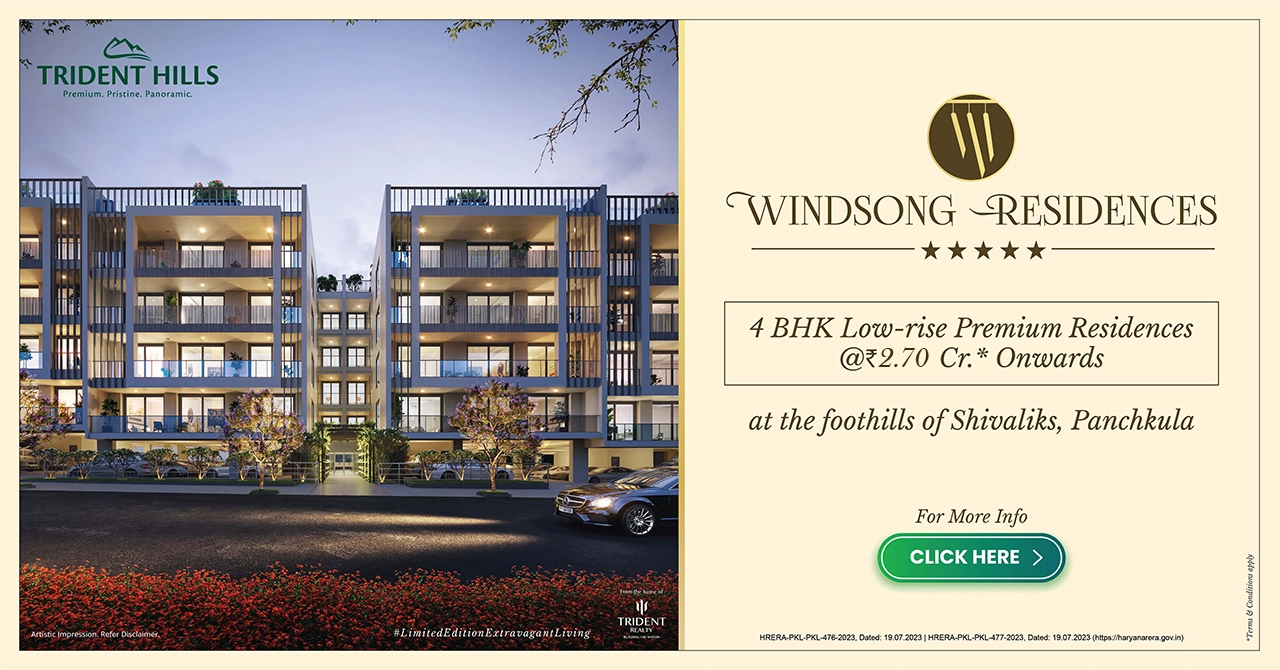
Developments such as Trident Hills and Trident Parktown demonstrate how master-planned environments address the core failures of traditional urban development:
Engineered Road Hierarchy
By separating heavy vehicular transit from internal residential streets, projects like Trident Hills and Trident Parktown create calm, safe neighbourhood streets where pedestrians and cyclists can move freely without competing with fast-moving traffic.
Built-In Utility Networks
Rather than relying on patchwork municipal upgrades, master-planned developments build high-capacity underground drainage, sewage treatment plants, rainwater harvesting systems, and dedicated power infrastructure directly into the land before homes are built. This prevents the seasonal waterlogging and service disruptions common in unplanned suburbs.
Human-Scale Walkability
By integrating open green parks, sports facilities, daily retail, and community hubs directly into the master plan, integrated townships bring essential services within a 15-minute walking radius. This layout minimises daily driving, reduces household carbon footprints, and returns lost commute hours to residents.
When physical transport, robust utilities, green space, and social infrastructure are planned together, the daily friction of urban life gives way to effortless, sustainable living.
8. Conclusion: Designing for Human Wellbeing
The true cost of poor urban planning is rarely visible on a real estate brochure or a price-per-square-foot listing.
It appears every morning in traffic jams, every summer in utility shortages, every monsoon in flooded streets, every evening in lost family time, and every year in declining personal health and wellbeing.
As Indian cities continue to expand, the real estate market is reaching an important turning point. The most valuable residential developments of the future will not simply offer larger floor plans or more opulent decorative finishes. They will offer a fundamentally better urban experience.
Cities will continue to grow. The vital question is whether they grow by simply adding more buildings—or by creating better, human-centred places to live. In the years ahead, thoughtful urban planning will be measured not merely by the roads and structures it builds, but by something far more meaningful: the quality of everyday life it makes possible.
Referenced Reports & Research Foundations
Ministry of Housing and Urban Affairs (MoHUA), Government of India: Urban Development Guidelines and Liveability Index Frameworks. mohua.gov.in
World Health Organisation (WHO): Urban Health, Air Quality, and Environmental Risk Guidelines. who.int
World Bank Group: Research on Urban Mobility, Congestion Costs, and Economic Efficiency in Developing Metros. worldbank.org
NITI Aayog, Government of India: Policy Documents on Reforms in Urban Planning, Education and Infrastructure Governance. niti.gov.in
Ministry of Road Transport and Highways (MoRTH), Government of India: National Transport Statistics and Vehicular Fuel Efficiency Studies. morth. nic.in
Central Pollution Control Board (CPCB), Government of India: National Ambient Air Quality Monitoring Reports. cpcb.nic.in
McKinsey & Company: India’s Urban Awakening: Building Inclusive Cities, Sustaining Economic Growth. mckinsey.com
Knight Frank India: Quality of Life Indices, Urban Infrastructure, and Residential Market Dynamics. knightfrank.co.in
JLL India: Market Research on Master-Planned Townships, Infrastructure Corridors, and Capital Growth Trends. jll.co.in